
Finding a job in Poland is only half of the journey for a non EU citizen. The other half is making sure you have the legal right to do that job. Many people lose time, money and even their chance of a future permit because they misunderstand how work authorisation works. This guide explains the main types of Polish work permits, who is responsible for what, the usual process from job offer to approval, and the mistakes you should avoid in 2026.
Why Does a Work Permit Matter in Poland?
In Poland, the right to live in the country and the right to work are two connected but separate things. A visa or residence document does not always allow employment, and a job offer on its own does not allow you to start working. In most cases a foreign national needs a work authorisation that matches the employer, the position and the period of employment.
Working without the correct authorisation is treated seriously. It can lead to fines for the employer, removal from the country for the worker and difficulties with future applications across the Schengen Area. Getting the paperwork right from the start protects both you and the company that hires you.
What Are the Main Types of Work Permit in Poland?
Poland uses different categories depending on the situation of the worker and the employer. The exact names, conditions and procedures can change, so always confirm the current rules on official Polish government websites. In general, the most common categories look like this.
1. Standard Work Permit for a Polish Employer
This is the most common route. A Polish company offers you a job and applies for a permit on your behalf. The permit is linked to a specific employer, a specific position and a specific period. If you change employer or your job duties change significantly, you may need a new permit or an amendment, so never assume your permit moves with you.
2. Permit for Board Members and Management
Foreign nationals who join the management board of a company, or who hold similar leadership roles, may need a separate type of permit. The conditions often depend on how long the person has been in Poland and the size and activity of the company.
3. Permit for Workers Sent by a Foreign Company
If your employer is based outside Poland and sends you to carry out work in Poland for a limited time, a different authorisation may apply. This is common in construction, IT services and project based work. The rules usually depend on the length of the assignment and the nature of the service.
4. Seasonal Work Authorisation
Some sectors, such as agriculture and tourism, hire workers for limited periods during the year. Seasonal authorisations are designed for these roles and usually have a maximum duration. They are useful for short term income but are not meant as a long term residence solution.
5. Simplified Procedures for Certain Nationalities
For citizens of certain countries, Poland has used simplified procedures for short term employment, sometimes based on an employer declaration. These rules have changed several times, and they apply only to specific nationalities and job types. Check whether your nationality is covered and whether the procedure is still available before you rely on it.
Who Does What: Employer and Employee Responsibilities

Understanding the roles in the process saves a lot of confusion.
What the employer usually does
- Confirms that the position is real and that the company can legally employ foreign staff
- Prepares and submits the application to the competent office
- Proves that the company meets financial and legal requirements
- Provides a contract or a written job offer with clear terms
- Pays the required fees, which in most cases should not be passed to you in the form of illegal charges
What you usually do
- Provide a valid passport and any required personal documents
- Share proof of qualifications or experience if the job requires them
- Respond quickly to requests for extra documents
- Make sure your stay in the EU stays legal while the application is processed
A genuine employer will explain these steps openly. If someone demands a large payment for a guaranteed permit, treat it as a warning sign.
How Do You Get a Work Permit in Poland? Step by Step
The process can differ by permit type, but most cases follow a similar order.
- Find a genuine job offer. Check the company name, registration details, address and reviews. Ask for a written offer that states the position, salary, working hours and contract type.
- Employer applies for authorisation. The employer submits the application with the required documents to the competent office. Processing time depends on the office, the season and the quality of the file.
- Wait for the decision. During this stage, avoid starting work unless the rules clearly allow it. Keep every confirmation and reference number.
- Apply for the visa or residence permit. After approval, you usually apply for the correct visa or a temporary residence permit, depending on where you are and what the law allows in your case.
- Enter Poland or continue your stay legally. If you are already inside the EU, check carefully whether you may remain in Poland during the process or whether you must apply through a consulate.
- Start work only when fully authorised. Make sure the permit, the contract and your residence status all match.
- Plan the extension early. Begin preparing renewal documents well before your permit expires.
What Documents Do You Need for a Polish Work Permit?
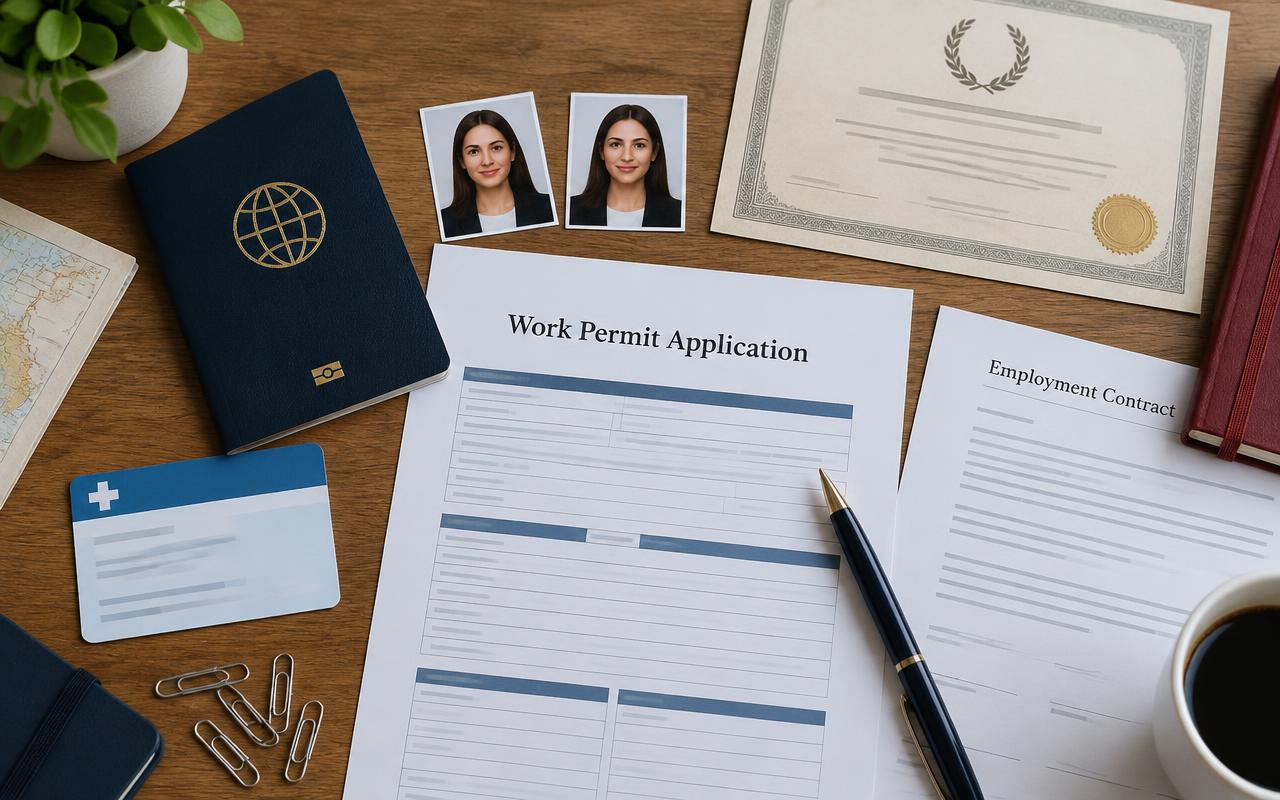
Although each case is different, many applications ask for some combination of the following:
- Valid passport with enough remaining validity
- Recent photographs that meet official standards
- Proof of qualifications, certificates or work experience
- Employment contract or signed job offer
- Proof of health insurance
- Proof of address or accommodation in Poland
- Official translations by a sworn translator where required
Names, dates and spellings must match across every document. Small differences can create requests for clarification and slow your case down.
Common Mistakes That Cause Delays or Refusals
- Starting work too early. Enthusiasm is understandable, but working before you are authorised can damage your record.
- Choosing the wrong permit type. A mismatch between your situation and the permit category is one of the most common reasons for rejection.
- Trusting unofficial agents. No agent can guarantee approval. Only the authorities decide, and anyone who promises otherwise is not being honest.
- Ignoring deadlines. Missing a request for documents or applying for an extension too late can leave you without legal status.
- Using outdated information. Social media groups often share advice that was true last year but no longer applies. Always compare what you read with official sources.
- Changing jobs without checking the rules. Because many permits are linked to a specific employer, a new job often means a new procedure.
Can a Work Permit Lead to a Long Term Stay?

A work permit can be the first step toward a more stable future in Poland. With continuous legal residence, you may later become eligible for longer term options such as permanent residence or EU long term resident status, depending on your history and the law at that time. Keeping clean records, paying taxes, maintaining insurance and renewing documents on time all strengthen your case.
If you are still planning your move, you may find it helpful to read our practical guide to moving to Poland for work, study and residence. Once you are in the country, our article on the Poland temporary residence card for non EU citizens explains the next stage in detail.
How Professional Support Can Help
Immigration paperwork is not just about filling in forms. It is about choosing the right route, preparing a consistent file and meeting deadlines without mistakes. Poland Pathway helps non EU nationals understand their options, avoid common errors and follow a transparent legal process from the first step to the final document. Good support should give you clear explanations, realistic timelines and honest advice, never pressure or false promises.
Final Thoughts
A Polish work permit is not a shortcut, but with the right preparation it is a reliable path to employment and a stable life in Europe. Understand which permit applies to you, work with an employer who follows the rules, keep your documents organised and never start work until everything is in place. With patience and accurate information, your plan to work in Poland can become a safe and legal reality.