

Moving to Poland is only the first step. For most non EU citizens, the real milestone is getting a Temporary Residence Card (TRC), known in Polish as karta pobytu. This card proves that you can legally live in Poland for a set period, lets you travel more easily within the Schengen Area, and opens the door to long term residence later on.
This guide explains what the TRC is, who needs it, which documents you usually need, and how to avoid the mistakes that cause delays.
What Is a Temporary Residence Card?
A TRC is a residence permit issued by Polish authorities to foreigners who plan to stay in Poland for more than the period allowed by their visa. It is issued for a specific purpose, such as work, study, business or family reunification, and it is usually valid for up to three years, depending on your situation.
The card shows your personal details, your photo, the validity period and the purpose of your stay. It is a physical ID that you will use for banking, renting, healthcare and many everyday tasks.
Who Needs a TRC?
If you are a citizen of a country outside the EU and you want to stay in Poland longer than your visa or visa free period allows, you will generally need a TRC. Common groups include:
- Students admitted to a Polish university or college
- Employees with a work permit or another valid basis for employment
- Business owners who have registered a company in Poland
- Family members of foreigners or Polish citizens who already live in Poland
Each category has its own rules, so always confirm which basis applies to you before you submit anything.
Main Types of TRC
1. TRC for Study
Students usually apply with an enrollment certificate from their university, proof of enough money to support themselves, proof of accommodation and valid health insurance. The card is typically linked to the length of your study programme.
2. TRC for Work
This route generally requires a work permit or other valid work authorisation from your employer. Your employer's documents, your contract and your job details are all checked carefully. If you change employers, you may need to update your permit, so do not change jobs without checking the rules first.
3. TRC for Business
If you run a company in Poland, you will usually need to show that the business is real and active. Authorities may check registration documents, financial records and your role in the company.
4. TRC for Family Reunification
This is for spouses and close family members of people who already have the right to live in Poland. You will usually need to prove your relationship with official documents.
Documents You Will Usually Need
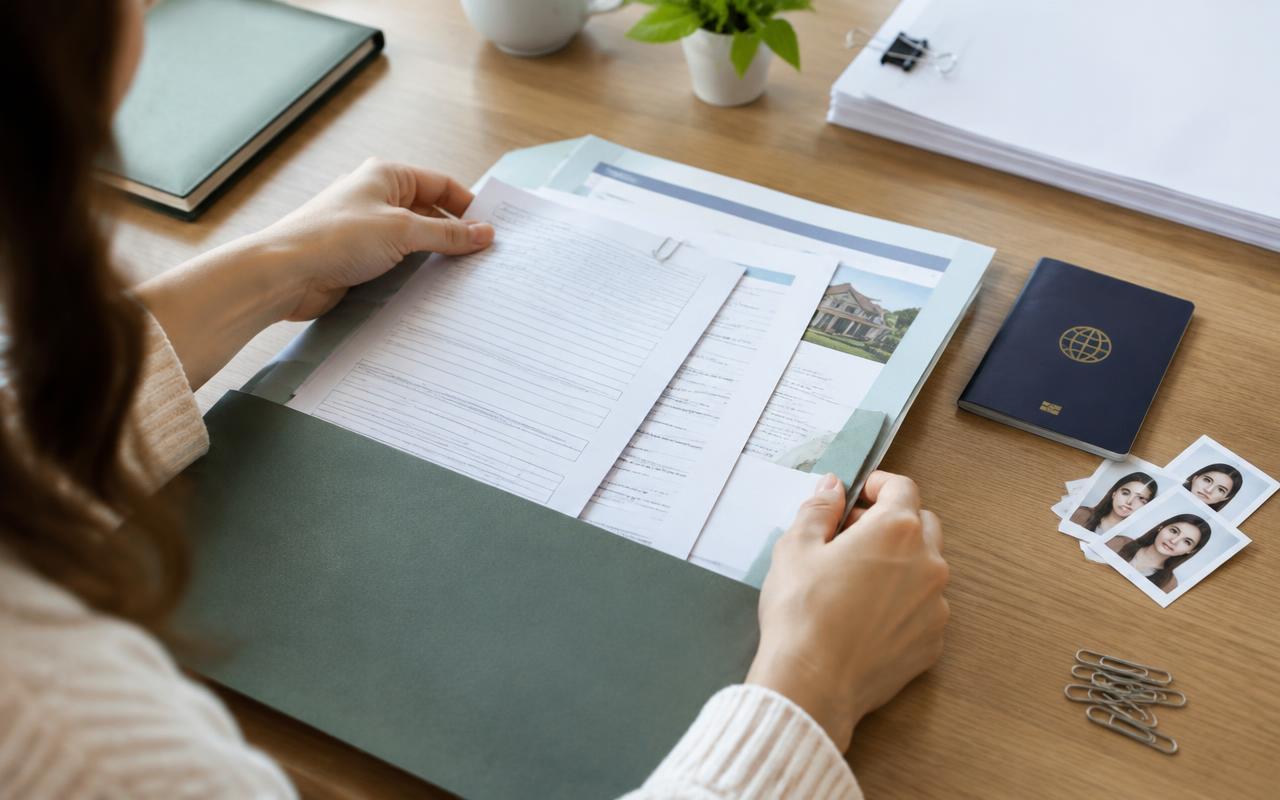
The exact list depends on the TRC type and the voivodeship office handling your case, but most applicants should prepare the following:
- A completed application form
- Your valid passport and copies of all relevant pages
- Recent passport style photographs that match official requirements
- Proof of the purpose of your stay (university letter, work documents, company papers or marriage certificate)
- Proof of health insurance
- Proof of stable and regular income or financial resources
- Proof of a place to live, such as a rental agreement
- Proof that you paid the required administrative fee
If any document is in a foreign language, you will normally need a translation by a Polish sworn translator. Foreign civil documents may also need legalisation or an apostille, depending on the country that issued them.
Step by Step Application Process

- Check your legal stay. You should apply while your current legal stay is still valid. Applying on time is one of the most important rules in the whole process.
- Identify the correct office. You submit your application to the voivodeship office (urząd wojewódzki) for the region where you live. Offices in big cities such as Warsaw, Kraków and Wrocław are often busy, so book your appointment early.
- Gather and check your documents. Prepare every document carefully. Missing or inconsistent papers are the most common reason for delays.
- Submit your application. In most cases you must submit the application in person. The officer will review your documents and may take your fingerprints.
- Receive the stamp in your passport. After you apply on time, you normally receive a stamp in your passport confirming that your stay is legal while your case is being processed. Keep your passport and all application papers safe.
- Wait for the decision. Processing can take several months, and in busy regions it can take longer. The office may ask for extra documents, so check your phone and email regularly and respond quickly.
- Collect your card. When the card is ready, you will be notified and asked to collect it in person.
Common Mistakes to Avoid
- Applying too late. A late application can put your legal stay at risk.
- Submitting incomplete documents. One missing paper can slow down the whole case.
- Using unofficial translations. Always use a sworn translator when translations are required.
- Ignoring letters from the office. If you miss a deadline to respond, your application can be refused or left unprocessed.
- Relying only on social media advice. Rules change, and what worked for a friend last year may not apply to you today.
Travel While Your Application Is Pending

Travel rules during processing can be tricky. In some cases, you may leave Poland and enter again with your passport and the application stamp, but this depends on your situation and the country you are travelling to. Always confirm the rules with the office or a qualified adviser before booking any trip.
What Happens After You Get the Card?
Once you receive your TRC, you can plan for the future. Many foreigners later move toward permanent residence or long term EU residence after meeting the required years of legal stay and other conditions. Keep your records organised from day one, including contracts, tax documents, insurance and proof of address, because you will need them again.
Remember to renew your card on time. Start preparing your renewal several months before it expires.
Final Thoughts
The Temporary Residence Card is the key step that turns a short stay in Poland into a stable life there. The process is manageable if you prepare early, keep your documents accurate and follow the official rules. If your case is complex, such as a change of employer, a change of study programme or a family situation, getting professional guidance can save you months of delay.